Wondering what it’s really like to live near downtown Rochester, MI? If you want a place that feels walkable, active, and full of local character without losing the convenience of Metro Detroit, downtown Rochester stands out. In this guide, you’ll get a clear look at the lifestyle, home options, and practical details that can help you decide if this area fits your goals. Let’s dive in.
Why Downtown Rochester Stands Out
Rochester is a small city with a big local identity. The city covers just 3.8 square miles and had a 2020 population of 13,035, which helps explain why it can feel close-knit while still sitting within Metro Detroit commuting patterns. It is also about 27 miles north of Detroit in northern Oakland County.
Downtown Rochester is known for its historic, walkable setting. The Downtown Development Authority describes the area as home to more than 400 shops, salons, restaurants, and professional service businesses, with 85% of them independently owned. That gives the downtown core a local, small-business feel that many buyers appreciate.
The city’s planning materials also support that image. Downtown is described as a pedestrian-scale commercial core with historic small-town character. If you want a place where daily errands, dining, and weekend plans can happen close to home, that is a major draw.
Downtown Rochester Lifestyle
One of the biggest reasons people look at downtown Rochester is lifestyle. This is not just a place with storefronts and restaurants. It is also a place built around gathering, events, and an easy rhythm of day-to-day living.
The downtown events calendar plays a big role in that experience. Seasonal favorites include the Farmers’ Market, Trick-or-Treat & Halloween Fest, Holiday Expo, Festival of Trees, Lagniappe for The Big, Bright Light Show, Plaid Friday, Small Business Saturday, Kris Kringle Market, and the Cookie Stroll. For you as a buyer, that suggests a downtown area that stays active well beyond standard business hours.
That year-round activity can shape how a neighborhood feels. Some buyers love being close to energy, foot traffic, and seasonal events. Others may prefer a little more distance while still staying near the action. Knowing your comfort level can help narrow the right home location.
Walkability and Local Convenience
Walkability is a major part of downtown Rochester’s appeal. The city and Downtown Development Authority highlight dining, shopping, parks, and services in a compact area. That can make everyday living feel more convenient and more connected.
For many buyers, walkability is not just about skipping the car. It is about having options close by, whether that means meeting friends for dinner, browsing local shops, or enjoying downtown during the holiday season. Rochester offers that kind of lifestyle in a scale that still feels manageable.
Parks and Trails Near Downtown
Downtown Rochester also benefits from a strong outdoor component. The Downtown Development Authority points to waterways, three parks, and two winding trails as part of the area’s identity. That mix gives the downtown core a balance of main-street energy and outdoor access.
The Paint Creek Trail is one of the area’s standout features. It is an 8.9-mile linear park, recognized as the first rail-to-trail in Michigan, and it has been open since 1983. The trail sees more than 100,000 visitors each year, which speaks to how important it is to daily recreation.
The Clinton River Trail adds even more flexibility. This 16-mile multi-use trail runs through Rochester and neighboring Oakland County communities. If you enjoy walking, biking, running, or simply having green space nearby, these trail connections are a meaningful part of downtown living.
Home Options Near Downtown Rochester
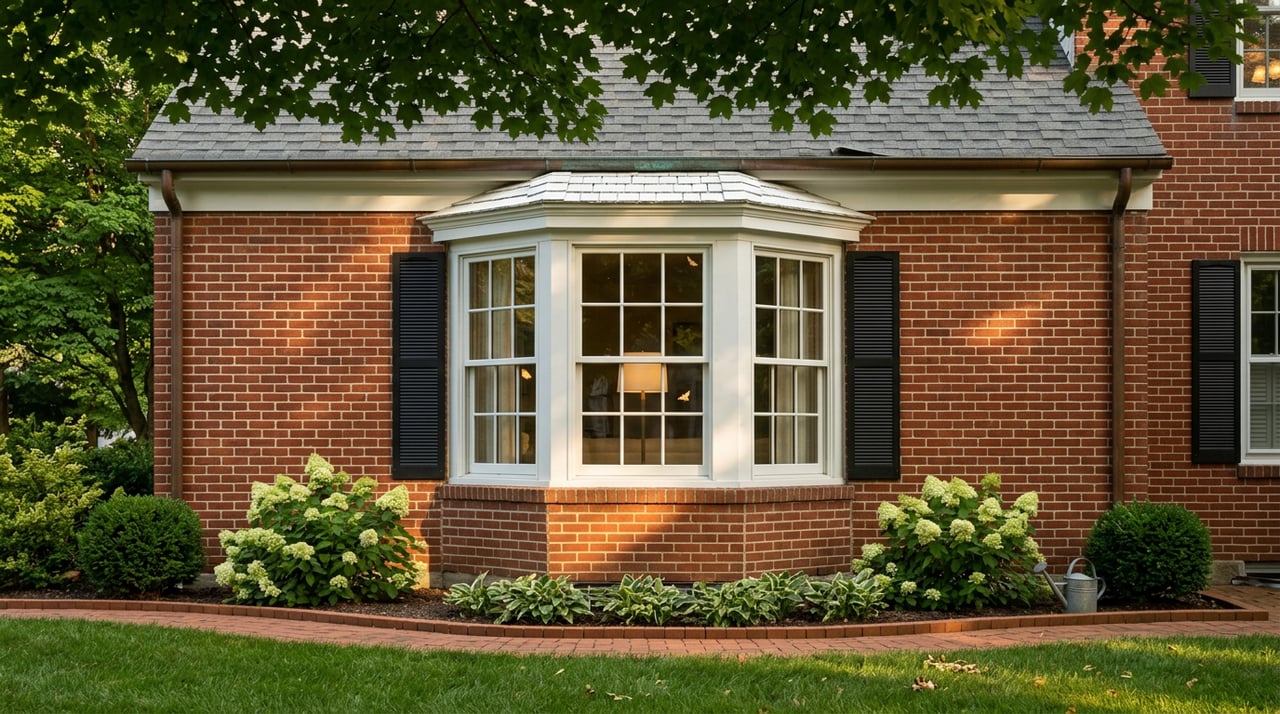
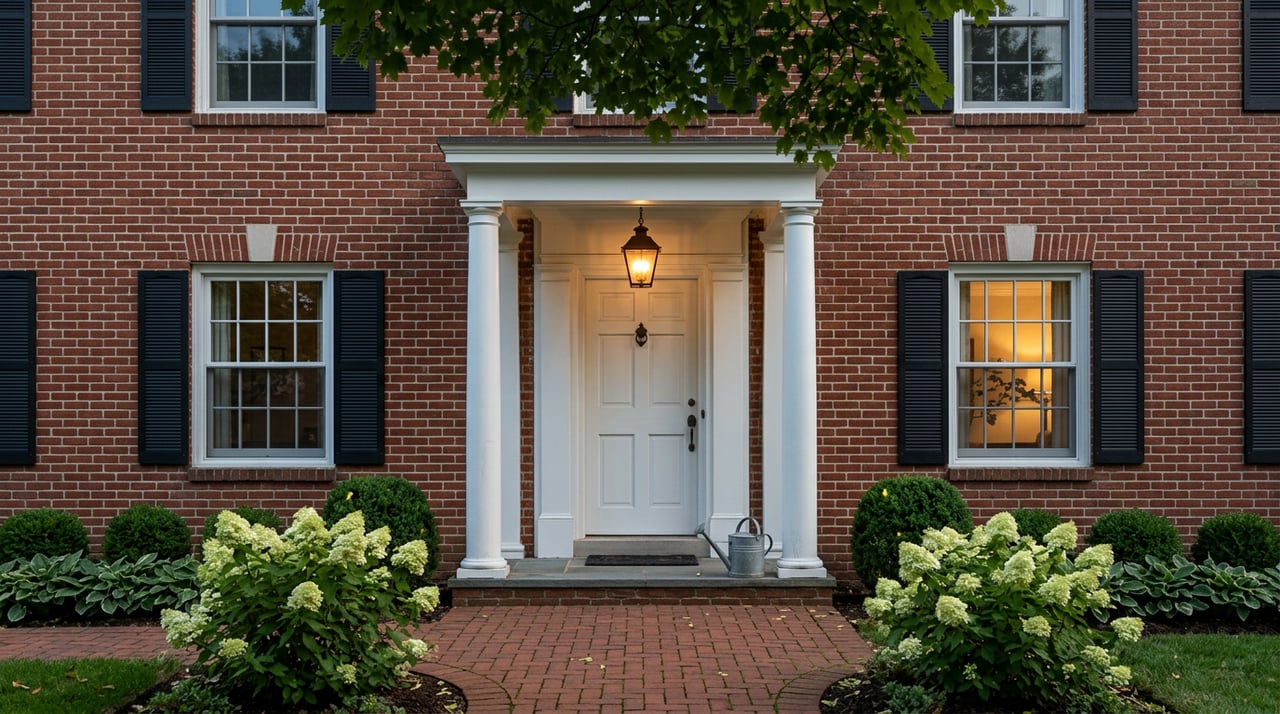
A common misconception is that downtown Rochester offers only older homes near a historic core. In reality, the city’s planning and zoning framework shows a broader housing mix. Options include single-family detached homes, duplexes, townhomes, low-rise apartments, mixed-use forms, and multiple-family districts.
That broader mix matters because buyers often come in with very different goals. Some want charm and architectural character. Others want less maintenance, a newer layout, or a more lock-and-leave lifestyle.
The city also emphasizes preservation, reuse of historic and architecturally significant buildings, and carefully managed infill and redevelopment. Since vacant land is limited, new housing growth is expected to come mainly through redevelopment rather than large-scale expansion.
Historic-Character Homes
If you are drawn to homes with established character, downtown-adjacent areas may appeal to you most. Rochester’s planning approach puts a strong focus on preserving downtown character and historic elements. That can create an environment where older homes and streetscapes remain a meaningful part of the local identity.
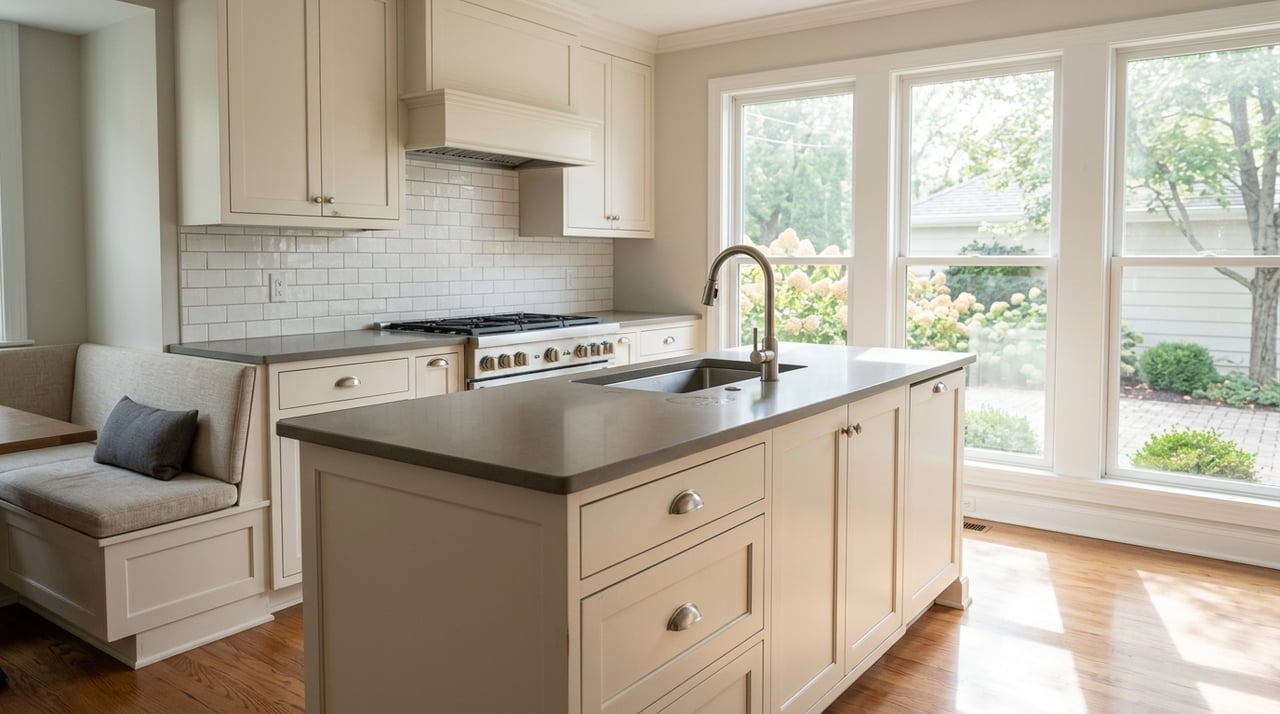
For buyers, this often means looking closely at the tradeoff between charm and updates. You may find appealing architecture and a strong sense of place, but the layout, lot size, or renovation needs can vary from property to property. A careful home search can help you balance character with function.
Condos, Townhomes, and Low-Maintenance Living
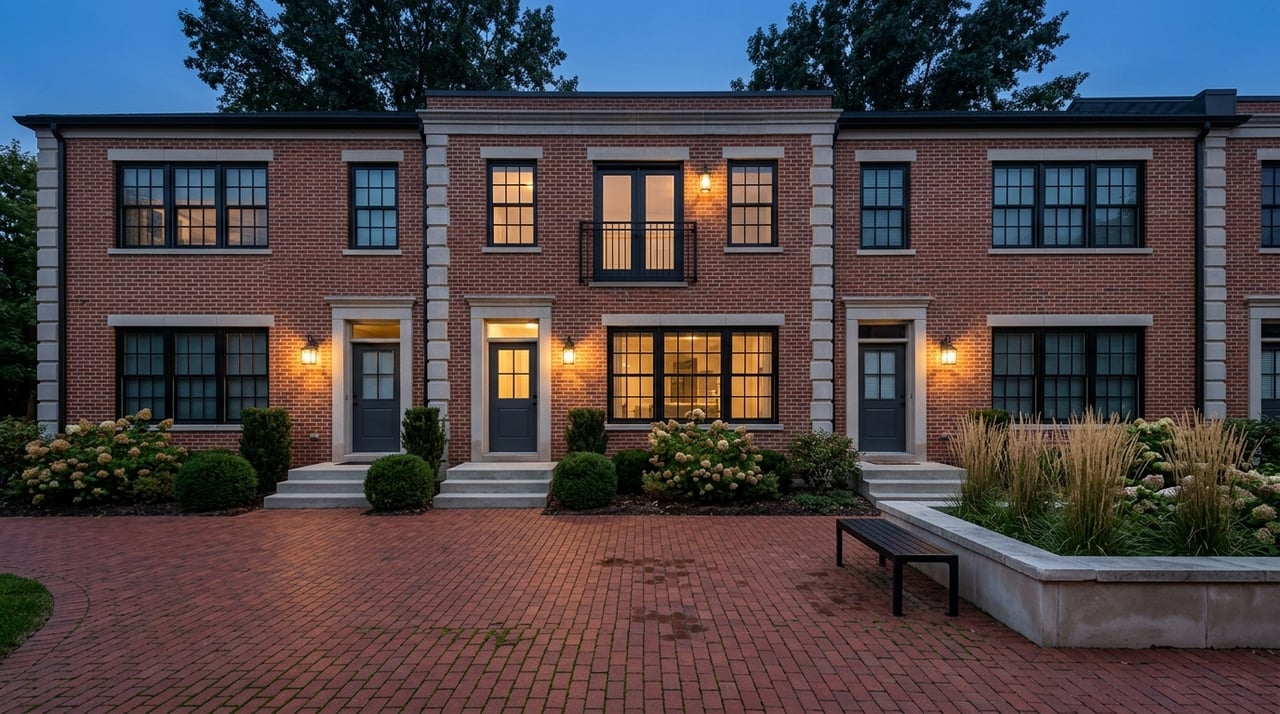
If your priority is convenience, low-maintenance options may be worth a close look. The city’s housing framework supports townhomes, apartments, and multiple-family housing near the downtown area. That makes Rochester more flexible than buyers sometimes expect.
This can be especially useful if you want to stay close to shops, restaurants, and trails without taking on the upkeep that often comes with a detached home. For some buyers, that means a better fit for busy schedules, downsizing goals, or relocation needs.
Newer Infill and Redevelopment
If you prefer newer construction or a more contemporary setup, downtown Rochester does offer some opportunities through infill and redevelopment. Because vacant land is limited, newer housing near the core tends to come from reimagined sites and redevelopment projects rather than brand-new subdivisions.
The city’s Brownfield Redevelopment Authority points to residential growth near downtown, including The Granary at 303 E University Drive and Riverfront Place at 211 1st Street. These projects reflect the city’s ongoing effort to expand housing choices while working within a built-out environment.
What Buyers Should Consider
Downtown Rochester offers a lot, but the right fit depends on how you live. Before you focus only on finishes or square footage, it helps to think through your day-to-day priorities. In a walkable area, lifestyle details can matter just as much as the home itself.
Here are a few smart questions to ask as you explore your options:
- Do you want to be in the heart of downtown activity or just nearby?
- Would you rather have historic character or newer finishes?
- Is low-maintenance living more important than extra yard space?
- How often will you use trails, parks, and nearby dining?
- What kind of parking setup will work best for your household?
These questions can help you sort through homes more confidently. They also make it easier to decide whether a detached home, townhome, condo-style property, or redevelopment opportunity fits your goals best.
Parking and Practical Details
Parking is one of the most important practical details to review before buying near downtown. The city publishes a downtown parking map, and it also has a residential parking program that is limited to Pine, Oak, W Fourth, and W Third streets. Guest permits are available to eligible residents.
That does not mean parking is a problem across downtown. It does mean you should review the specific parking situation for any property you are considering. If walkability is one of the benefits drawing you in, it still helps to understand exactly how parking works for residents and guests.
Is Downtown Rochester Right for You?
Downtown Rochester can be a strong match if you want a blend of local business activity, walkability, outdoor access, and varied housing choices. It offers a rare combination of historic small-town character and real everyday convenience. In Oakland County, that mix is not easy to find.
It may be especially appealing if you value being near trails, independent businesses, and seasonal events while still staying connected to the broader Metro Detroit area. At the same time, your best fit may depend on whether you want historic charm, low-maintenance living, or a newer infill opportunity.
If you are weighing your next move in Rochester or anywhere nearby in Oakland County, having local guidance can make the search much more efficient. Angela Snedeker can help you compare home options, understand neighborhood context, and move forward with a plan that fits your lifestyle.
FAQs
What is downtown Rochester, MI known for?
- Downtown Rochester is known for its historic, walkable setting, more than 400 businesses, a high share of independent merchants, seasonal events, and access to parks and trails.
What types of homes are available near downtown Rochester?
- Home options near downtown Rochester include single-family homes, duplexes, townhomes, low-rise apartments, mixed-use housing, and multiple-family properties.
Are there newer housing options in downtown Rochester?
- Yes. The city identifies infill and redevelopment as the main path for adding new housing near downtown because vacant land is limited.
Does downtown Rochester offer a walkable lifestyle?
- Yes. The downtown area is described by the city and Downtown Development Authority as a pedestrian-scale, walkable core with shopping, dining, parks, and services nearby.
What outdoor features are near downtown Rochester, MI?
- Downtown Rochester is near the Paint Creek Trail, the Clinton River Trail, waterways, and three parks, which support walking, biking, running, and general outdoor recreation.
What should buyers know about parking in downtown Rochester?
- Buyers should review each property’s parking setup carefully because the city’s residential parking program applies only to certain streets, and guest permits are limited to eligible residents.