If you are eyeing Royal Oak for your next rental or rehab, you are not alone. This city offers the kind of location, walkability, and everyday convenience that can keep renter demand steady, but it also comes with older housing stock and local rules that can quickly affect your numbers. If you want to invest with fewer surprises, it helps to understand where demand comes from, what property types you are likely to find, and which compliance steps matter most before you close. Let’s dive in.
Why Royal Oak draws rental demand
Royal Oak stands out as an inner-ring Detroit suburb with easy access to downtown Detroit and major routes like I-696 and I-75. The city also highlights a vibrant downtown, a long-running farmers market, parks, and two downtown college campuses, all of which help support rental demand from commuters, students, and young professionals.
The local data supports that picture. Census QuickFacts reports a population of 58,251, 29,110 households, and a median household income of $101,109. It also shows a median gross rent of $1,381, a 68.0% owner-occupied housing rate, and an average household size of 1.98 people, which suggests that smaller households and one- to two-bedroom rentals may fit a meaningful part of the market.
Royal Oak also has a highly educated resident base. According to Census data, 64.1% of adults hold a bachelor’s degree or higher, and labor-force participation is 74.4%. For investors, that can point to a renter pool that is often driven by location, convenience, and quality of housing rather than only the lowest monthly rent.
Property types you will likely see
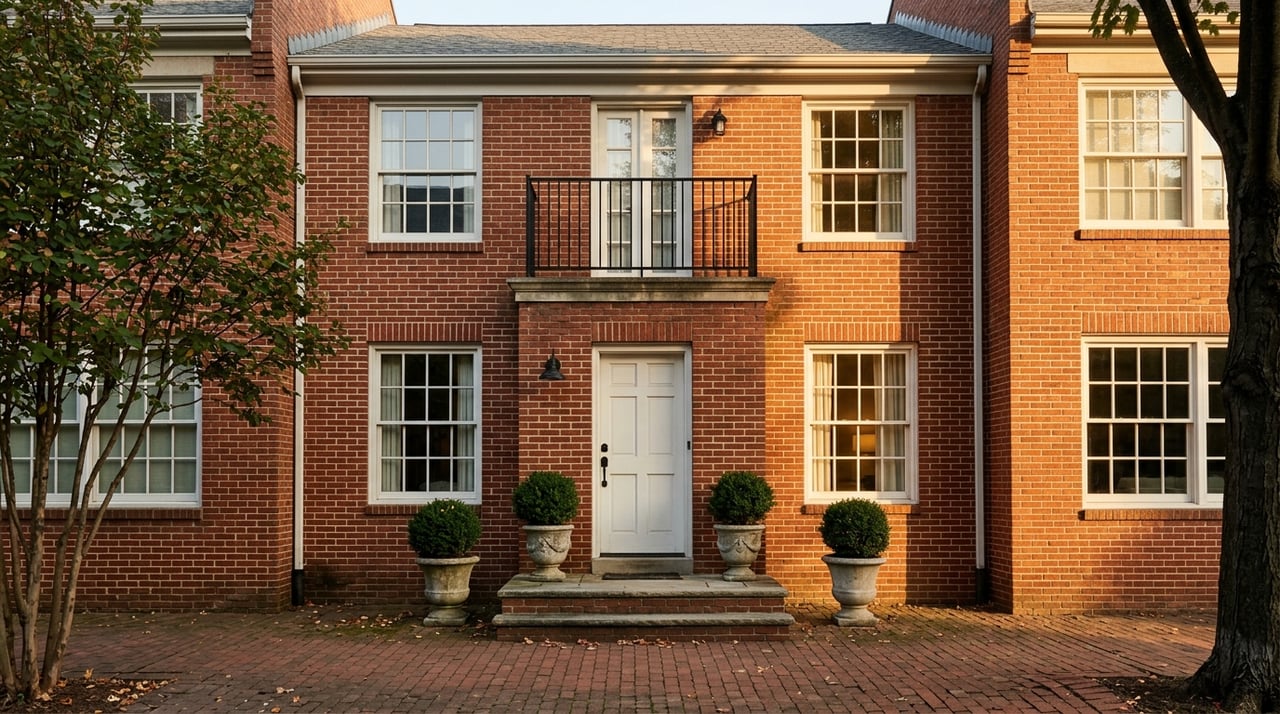
If you are shopping for investment property in Royal Oak, you are more likely to encounter smaller-scale opportunities than large apartment assets. City planning materials describe a mix that includes older single-family homes, duplexes, small multifamily buildings, and some downtown condo or loft-style units.
Single-family homes still dominate the local housing landscape. The city says single-family homes account for about 62% of land use, and more than half of the city’s single-family housing stock was built before 1960. That age profile matters because cosmetic updates alone may not tell the whole story.
An older home can look rent-ready on the surface while still needing big-ticket work. Roofs, windows, plumbing, mechanical systems, and deferred maintenance can all change your rehab budget in a hurry. In Royal Oak, a smart investor usually underwrites the systems first and the finishes second.
Downtown-adjacent areas often lead demand
The clearest renter magnet in Royal Oak is the downtown core and the blocks around it. The city describes downtown as one of Metro Detroit’s most vibrant and walkable destinations, and walkability is an explicit city priority.
That makes downtown-adjacent rentals especially worth a close look if your strategy depends on convenience and lifestyle appeal. Condo, loft, and small multifamily options near Main Street and Washington Avenue may attract renters who want a more car-light routine and easy access to dining, retail, and entertainment.
Outside downtown, Royal Oak has a number of established neighborhood associations, including areas such as Arlington Park, Franklin Park, Vinsetta Park, and Woodwardside. While neighborhood organization does not guarantee rental performance, it can be a useful signal of local engagement and property upkeep expectations.
Rehab investing in Royal Oak requires discipline
Royal Oak can make sense for rehab investors, but it is not a market where you want to cut corners on due diligence. The city’s own materials point to a practical reality: the upside often comes from location quality and smart execution, not simply from buying the cheapest house on the block.
Because so much of the housing stock is older, your renovation plan should start with condition, not just layout. Before you commit, it is wise to evaluate structural items, electrical systems, plumbing, windows, HVAC, and any visible signs of aging or deferred maintenance.
Even a lighter rehab may involve more than paint and flooring. If your project touches building systems, utilities, sidewalks, driveways, or the public right-of-way, permit review may come into play. That can affect both your timeline and your budget.
Royal Oak rental rules to know
One of the most important things to understand about this market is that Royal Oak has a formal rental inspection and registration system. The city says the Building Division inspects all residential rental units, and registration is required for residential rental property, non-owner-occupied residential property, and vacant residential property.
The city also states that rented one-, two-, and multifamily dwellings are inspected every two years. If an owner lives out of state or owns through an entity, the city may require a Michigan-resident responsible party.
For investors, that means compliance is not a side issue. It is part of the investment model from day one. If you are analyzing a property, one of your first questions should be whether the registration status is current and what the inspection history shows.
Permits and inspections can affect your timeline
Royal Oak’s Building Division handles permits and inspections for residential construction, including electrical, structural, and plumbing work. The city’s forms also show separate permit paths for building, electrical, mechanical, plumbing, sewer, and sign work, while the Engineering Division handles some right-of-way and paving-related permits.
In plain terms, a project that looks simple can become more involved if the work reaches beyond cosmetics. Replacing systems, changing layouts, or affecting exterior access points may trigger formal review. That does not mean a deal is bad, but it does mean you should build in extra time and reserves.
The city also offers a RENO program that can waive permit and inspection fees for certain qualifying projects related to sustainability, housing affordability, and aging in place. Inspections and code compliance are still required, and open code violations need an approved compliance plan before a waiver is applied.
Older homes are not automatic deal breakers
There is an important nuance in Royal Oak’s local ordinance. The city’s 2019 ordinance notes that officials cannot require an owner to bring a property up to current building-code standards just because it is registered.
That said, any violations discovered during inspection still need to be corrected or formally waived. For investors, this is a helpful distinction. Older homes are not automatically noncompliant, but deferred maintenance and code issues can still create real costs that need to be addressed.
This is one reason why strong pre-purchase diligence matters so much in Royal Oak. You are not just evaluating resale potential or rent potential. You are also evaluating how much compliance work may be waiting behind the walls, under the sink, or in the mechanical room.
Michigan landlord basics still matter
At the state level, Michigan law sets a few key guardrails for rental owners. Michigan guidance says a security deposit generally cannot exceed 1.5 months’ rent.
The state also requires landlords to deposit security deposits in a regulated financial institution, or use a security-deposit bond and annual certification if the funds are used for other purposes. These are basic operational details, but they matter because small paperwork mistakes can become bigger problems later.
Michigan fair housing rules also prohibit discrimination based on protected characteristics, and the state treats source of income as a protected category for rental housing, with a limited small-landlord exception for owners of five or fewer rental units. If you plan to own rentals in Royal Oak, compliant screening and leasing practices are essential.
If an eviction happens, documentation matters
No investor buys a property hoping for a lease issue, but it is smart to plan for clean records from the start. If a tenancy turns into an eviction, landlord-tenant summary proceedings are handled by the Royal Oak 44th District Court.
The court provides the required forms and notices for filing. From a practical standpoint, this is a reminder to keep a written lease, notices, inspection records, and maintenance documentation organized from the beginning. Good paperwork supports smoother management and can help reduce risk if a dispute arises.
A simple Royal Oak investor checklist
If you are considering a Royal Oak rental or rehab property, focus on the issues most likely to affect your return:
- Verify the property’s rental registration status
- Review inspection history if available
- Confirm whether your planned work requires building or engineering permits
- Inspect aging systems before closing
- Budget conservatively for repairs, code compliance, and vacancy
- Pay close attention to location, especially downtown-adjacent demand drivers
This market can reward careful buyers, but it usually favors investors who stay realistic about costs. In Royal Oak, strong demand does not erase weak planning.
Why local guidance matters
A property can look great in photos and still come with expensive surprises. In a market like Royal Oak, the real value of local guidance is not just finding inventory. It is helping you weigh walkability, rental appeal, housing age, permit complexity, and compliance risk before you commit.
That is especially important if you are comparing downtown-adjacent opportunities with more typical residential blocks. Two properties may look similar on paper, but their renter appeal, renovation scope, and long-term maintenance profile can be very different.
If you are exploring rental or rehab opportunities in Royal Oak or elsewhere in Oakland County, working with someone who knows how to spot both upside and red flags can save you time and money. When you are ready to talk strategy, connect with Angela Snedeker for a personalized, local approach to your next investment move.
FAQs
What makes Royal Oak attractive for rental property investors?
- Royal Oak offers walkable downtown amenities, access to I-696 and I-75, proximity to downtown Detroit, and a renter base supported by commuters, students, and young professionals.
What types of investment properties are common in Royal Oak?
- Small investors are most likely to find single-family homes, duplexes, small multifamily properties, and some downtown condo or loft units rather than large apartment buildings.
Why do older Royal Oak homes need extra rehab budgeting?
- More than half of the city’s single-family housing stock was built before 1960, so investors should plan for possible costs tied to roofs, plumbing, windows, mechanical systems, and other deferred maintenance.
Does Royal Oak require rental property registration?
- Yes. The city requires registration for residential rental property, non-owner-occupied residential property, and vacant residential property, and it inspects rented one-, two-, and multifamily dwellings every two years.
Do rehab projects in Royal Oak usually need permits?
- Many do. If your work involves building systems, utilities, plumbing, mechanicals, electrical, sidewalks, driveways, or right-of-way areas, permit review may be required.
What should you check before buying a Royal Oak rental or rehab property?
- You should verify registration status, confirm permit needs, inspect for aging-system issues, review likely code or maintenance risks, and budget reserves for repairs and vacancy.