Thinking about living in Royal Oak while you work in Detroit? You want a shorter commute, a lively neighborhood, and a home that fits your budget. You also need clear facts to compare routes, transit, and daily tradeoffs. In this guide, you will learn realistic commute times, how to use transit, where to focus your home search, and what daily life looks like. Let’s dive in.
Why Royal Oak works when you work in Detroit
Royal Oak sits on the Woodward Corridor and has quick access to I‑75, I‑696, and Woodward Avenue, which puts you within a roughly 10 to 15 mile band of downtown Detroit depending on start and end points. That location makes it a practical home base for city commuters who also want suburban comfort. The city is known for its active downtown with restaurants, music, and events like Arts, Beats & Eats, along with a year‑round farmers market. If you value a walkable evening scene and easy freeway access, Royal Oak checks both boxes.
- Learn more about Royal Oak’s location and corridors from the city overview on Wikipedia’s Royal Oak page.
- Explore local dining, events, and the farmers market on the Downtown Royal Oak site.
Commute snapshot: times and routes
The U.S. Census reports that Royal Oak residents have a mean travel time to work of about 24.4 minutes. That average blends short local trips with longer peak‑hour drives to job centers like downtown Detroit or Troy. For downtown runs, plan a buffer during rush hour since freeway congestion and incidents can add time.
- Average travel time baseline: see the Census QuickFacts for Royal Oak.
Driving to Detroit and Troy
- Royal Oak to downtown Detroit: driving distance is commonly cited around 14 miles. Off‑peak trips can run about 20 to 30 minutes, but expect longer times during morning and evening peaks. Check live traffic before you leave.
- Royal Oak to Troy: many parts of Royal Oak sit about 8 miles from Troy, with off‑peak drives often 15 to 25 minutes depending on the route.
For distance and typical time context, see TravelMath’s Royal Oak to Detroit distance and Royal Oak to Troy driving time. Use a maps app for your specific address at your actual commute hours.
Primary driving corridors
- I‑75: the main north‑south freeway along Royal Oak’s east side. It serves both Detroit and Troy commutes.
- I‑696: an east‑west cross that connects to I‑75 and helps with cross‑town moves.
- Woodward Avenue (M‑1): the principal surface boulevard for downtown‑bound trips and local destinations.
These are the most common routes for car commuters into Detroit and toward the northern job centers. For a quick primer, see Wikipedia’s Royal Oak page.
Park‑and‑ride and transit options
Royal Oak is a regional hub for SMART, the suburban bus system. The FAST Woodward service provides a direct express option between northern suburbs, Royal Oak, and downtown Detroit, and local lines on Woodward offer crosstown connections. For schedules, fares, and real‑time tools, visit SMART.
Royal Oak’s Transit Center is the local transfer point for SMART routes, and it is also an Amtrak stop on the Wolverine line that connects Pontiac, Detroit, and Chicago with limited daily service. While not a high‑frequency commuter train, it is useful for occasional regional trips. Learn more about the station on Great American Stations.
Where to live in Royal Oak for a smooth commute
Choosing the right part of Royal Oak can trim minutes off your drive or put you close to transit. Your best fit depends on your primary workplace and your lifestyle.
If you work in downtown Detroit
- Prioritize homes with quick access to I‑75 or I‑696 for the most direct freeway run.
- Living within a few blocks of Woodward puts you near local and FAST bus stops and keeps downtown dining and entertainment walkable.
- Consider addresses on the south or west sides of Royal Oak for slightly shorter freeway approaches to Detroit.
If you work in Troy
- Focus on northern Royal Oak for faster access to I‑75 north and the mile‑road grid.
- Woodward plus cross‑mile roads can also be efficient for destinations near Big Beaver or the Somerset area.
Downtown core vs quieter streets
- Downtown Royal Oak: you get the most walkable access to restaurants, bars, theaters, and the year‑round market, plus easy access to Woodward bus service. Living in or near the core can come with more weekend nightlife activity.
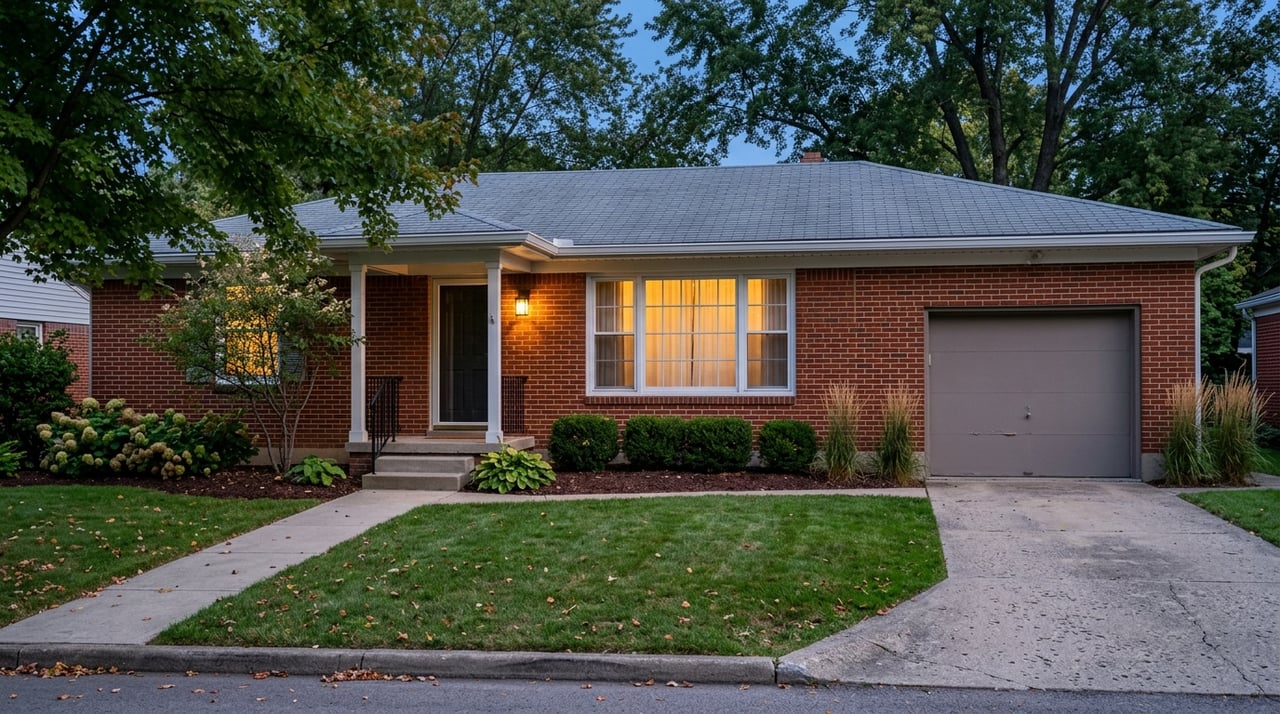
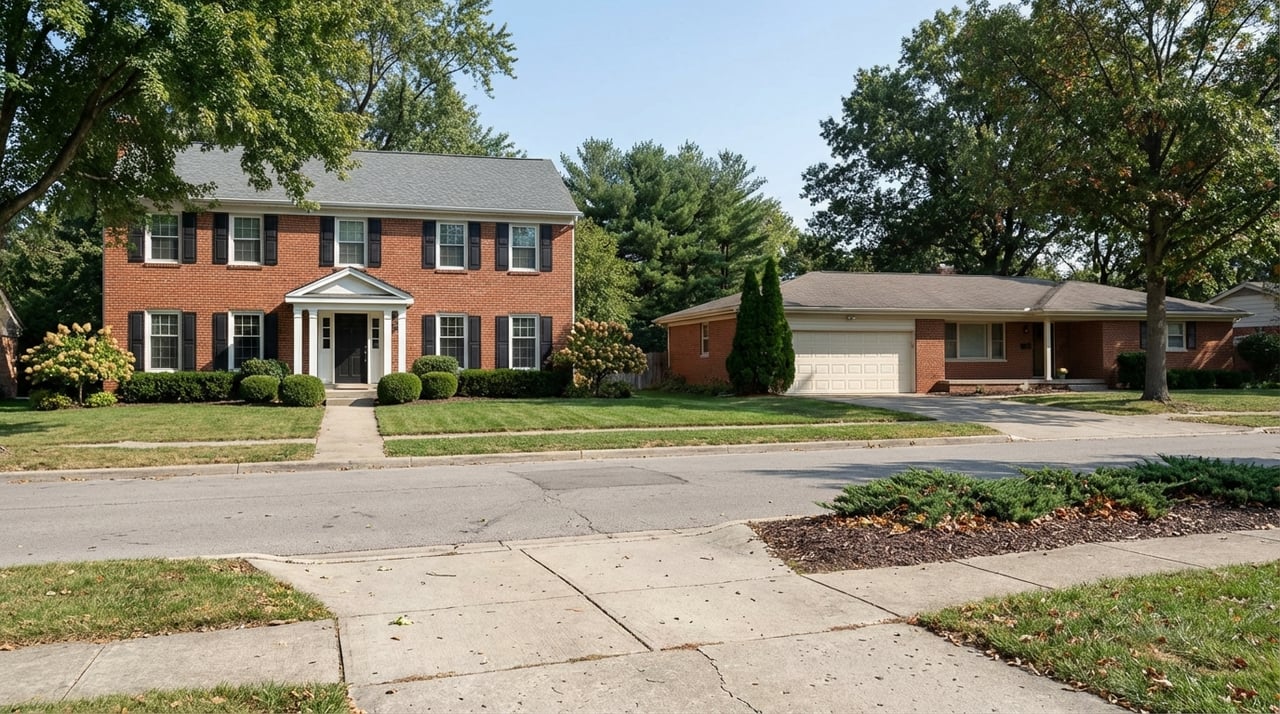
- Quieter residential blocks: just a few blocks off the main corridors, streets become more tree‑lined with mostly single‑family homes. You keep the amenities nearby while reducing evening noise.
For a sense of downtown’s offerings, check the Downtown Royal Oak site. For a high‑level look at the city’s layout and major roads, see Wikipedia’s Royal Oak page.
Cost and home types at a glance
Recent vendor snapshots place Royal Oak’s typical home value in the low to mid $300,000s, while Troy trends higher on average, often in the mid $400,000s. Exact figures vary by source and can shift by neighborhood and lot size. The practical takeaway is that Royal Oak often delivers a strong downtown lifestyle per dollar, while Troy often trades walkability for larger lots and proximity to corporate campuses.
Much of Royal Oak’s housing stock dates from the early to mid 20th century, which means classic single‑family streets on compact lots, along with some townhomes and condos closer to downtown. Always validate current pricing with recent MLS comps for the specific area you are targeting. For a general overview of city context and history, see Wikipedia’s Royal Oak page.
Everyday convenience you will feel
- Parking downtown: the city runs multiple parking structures and surface options. The first two hours are often free in structures, with variable rates for surface and curbside parking. Review current rules and the ParkMobile payment details on the City of Royal Oak parking page.
- Entertainment and events: from restaurants and live music to the farmers market and annual festivals, downtown offers plenty to do close to home. You can scan event calendars on the Downtown Royal Oak site.
Step‑by‑step: test‑drive your commute
Before you fall in love with a house, pressure test the daily trip. A quick plan now can save you months of frustration later.
- Map three sample routes. At your actual commute hours, run live navigation from the address to your office on a weekday. Do this at least twice to see patterns.
- Try FAST Woodward. From your nearest stop, time the bus to downtown and back during peak windows. Check schedules and real‑time tools on SMART.
- Park‑and‑ride trial. If you plan to drive partway, test the Royal Oak Transit Center or a convenient lot. Confirm your walking time from the stop to your workplace.
- Evening return check. Head home in the evening at your usual time. Look at both freeway and surface street options. Note how long it takes to find parking if you plan dinner or errands downtown.
- Sunday reset. Do one low‑traffic run to compare baseline time with your peak results so you can set a realistic daily buffer.
Common tradeoffs and how to decide
Every decision balances lifestyle, time, and budget. Here is how to think it through.
- Walkability vs quieter nights: living near Main and Woodward means restaurants and transit at your door, with busier weekends. A few blocks out buys calmer evenings and similar access with a short drive or bike ride.
- Commute time vs home size: staying closer to the freeway or south/west side can trim minutes to Detroit. Moving farther out may buy more space, but most trips will be car dependent unless you are near a FAST stop.
- Price point vs convenience: Royal Oak’s core can command a premium for walkability. If budget is tight, look a few blocks off the action for value while keeping a short hop to downtown amenities.
Ready to explore homes in Royal Oak?
If you want a commute‑smart move without giving up a great neighborhood, you are in the right place. I will help you compare addresses by real drive times, confirm up‑to‑date comps, and narrow to blocks that match your lifestyle. Reach out to start a focused home search with a local expert. Connect with Angela Snedeker for a friendly, no‑pressure consult.
FAQs
What is the average commute time from Royal Oak to work overall?
- Royal Oak’s mean travel time to work is about 24.4 minutes according to the Census QuickFacts.
How far is Royal Oak from downtown Detroit and how long does it take to drive?
- The drive is commonly cited around 14 miles, with off‑peak times often 20 to 30 minutes and longer during rush hour. See TravelMath’s Royal Oak to Detroit distance and check live traffic.
Is there a direct bus from Royal Oak to downtown Detroit?
- Yes. SMART’s FAST Woodward express connects Royal Oak with downtown Detroit, and local Woodward routes offer transfers. Check routes, schedules, and real‑time tools on SMART.
Does Royal Oak have a train station for regional trips?
- Yes. The Amtrak Wolverine stops at the Royal Oak Transit Center with limited daily service, useful for occasional Pontiac, Detroit, or Chicago trips. Learn more on Great American Stations.
How long is the drive from Royal Oak to Troy for work?
- Many trips are about 8 miles and often 15 to 25 minutes off‑peak depending on the route. For context, see TravelMath’s Royal Oak to Troy driving time and verify live conditions.
What is downtown Royal Oak like for daily life?
- It is an active, walkable area with restaurants, a year‑round farmers market, music venues, and festivals. Browse events and amenities on the Downtown Royal Oak site.